





This fall, Florida voters will decide Amendment 3, which would increase the homestead exemption for non-school property taxes to $150,000 in 2027 and $250,000 in 2028. My position is clear: I oppose Amendment 3.
For homeowners confronting rising insurance premiums and living costs, the appeal of property-tax relief is obvious. But Fort Lauderdale cannot consider what disappears from a tax bill without asking what still has to be paid for.
Our property-tax dollars support a city with enormous existing infrastructure obligations. Fort Lauderdale is rebuilding drainage systems, raising seawalls and investing in stormwater resilience because the work is already necessary. April 12, 2023 showed us why: an extreme rainfall event flooded homes, damaged infrastructure and brought parts of the city to a standstill.
Reducing recurring revenue does not make those obligations disappear. The cost can instead return through assessments, fees, additional borrowing, higher insurance costs, reduced services or infrastructure that simply gets pushed into another year.
And deferred costs do not vanish. They get inherited.
Deferred costs do not vanish. They get inherited.
My generation will live with the infrastructure decisions being made now. We will inherit the pipes that were not replaced, the seawalls that were not completed, the debt that was refinanced and the projects that were postponed. What looks like relief today can become our repair bill tomorrow.
New York City offers a warning about what happens when fiscal and infrastructure problems are allowed to compound. Its 1970s crisis had many causes, including economic restructuring, job loss and fiscal-management failures, and Florida today is not 1970s New York. But the consequences remain instructive: services and neighborhoods deteriorated, housing abandonment became widespread, and the city lost roughly 800,000 residents over the decade.
By the time recovery began, another generation was responsible for rebuilding what years of deterioration had left behind.
As a Florida real estate professional, I understand the argument for affordability. But affordability cannot be measured by one line on a tax bill. A home is not more affordable if tax savings eventually reappear as higher assessments, insurance premiums or deteriorating infrastructure. A property does not reliably retain its value when the roads around it flood or essential public systems cannot keep pace with growth.
The people who can least absorb those costs often leave first: young families and workers who make decisions one lease renewal or insurance bill at a time. When they leave, a city loses workers, customers and taxpayers simultaneously.
That is why Fort Lauderdale needs a fuller accounting of what happens after the tax reduction. Before changing the revenue structure supporting cities like ours, voters should demand clear answers: Which obligations remain? What gets delayed? What replaces the revenue? And when today's savings create tomorrow's expense, which generation receives the bill?
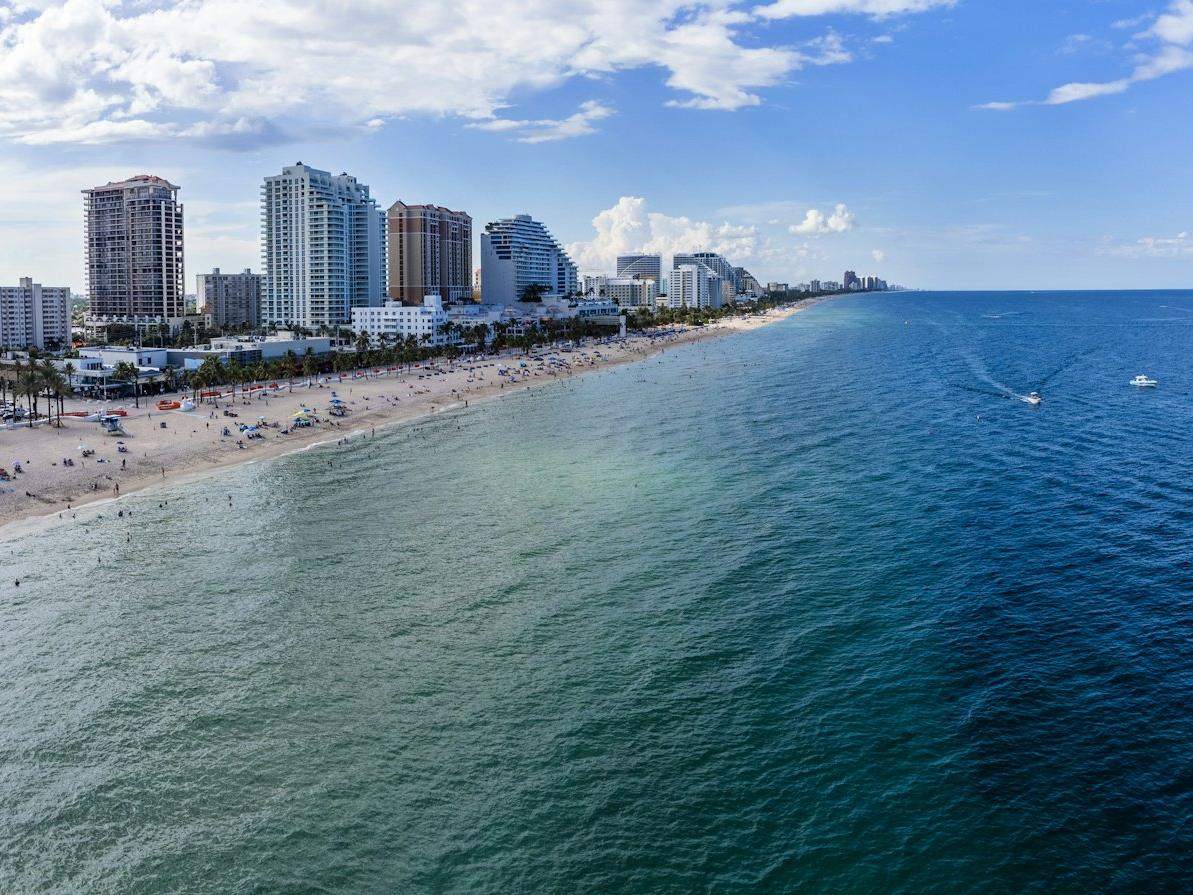
Fort Lauderdale is going to continue growing. We should be investing in the infrastructure, workforce and economic base necessary to support that growth rather than assuming today's obligations disappear because their funding changes.
My generation should not be left cleaning up decisions made before we had a meaningful voice in making them. Before casting a ballot, voters should ask whether today's relief simply shifts tomorrow's bill to the next generation.
We should finish paying for what we have already started instead of handing the next generation a city still digging out.